Ever noticed a journalist's Instagram Reel outperform the actual news bulletin it came from?
That's not an accident anymore. Indian journalism has moved well past the 9 PM primetime slot. A big part of a journalist's reach today lives on their personal Instagram and YouTube, not just their channel's handle, and audiences are following the person more than the publication. Some of the biggest names in Indian news now carry more weight as individual creators than as employees of a channel.
This is different from how most other creator categories work. A fashion or comedy page builds its following on entertainment value. A journalist-influencer builds it on credibility, access, and opinion, the same things that made them trustworthy on television in the first place, just delivered in a format people actually want to watch on their phones.
For brands, that distinction matters. A journalist's audience isn't scrolling for entertainment. They're engaged, opinionated, and used to paying attention to what's said, which makes this one of the more credibility-led categories in India's creator economy right now. So who are the famous journalists in India actually building this kind of influence, and what should brands know before working with one of them? Here's the list.
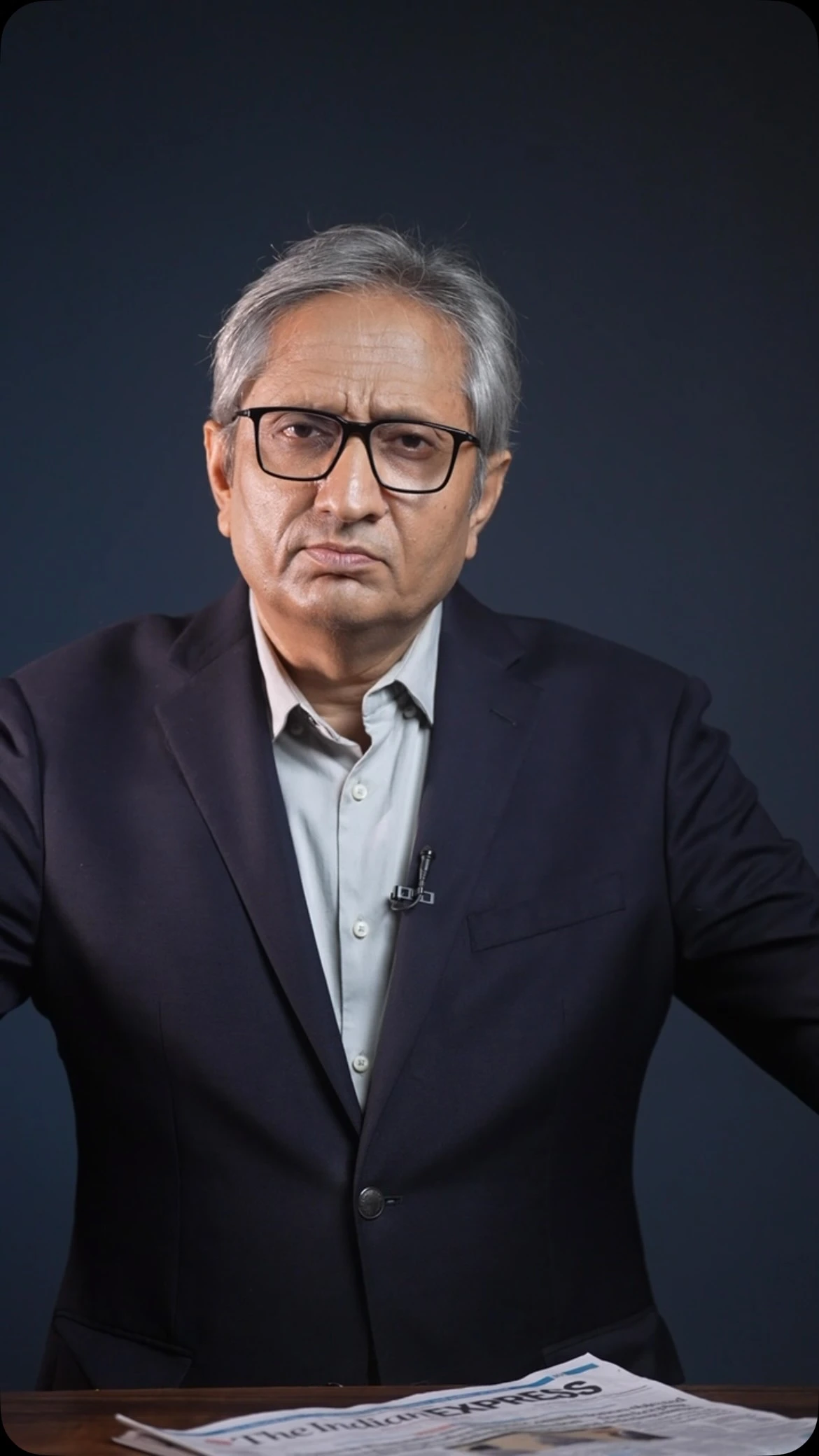
1. Ravish Kumar
Ravish Kumar spent nearly three decades at NDTV and won the Ramon Magsaysay Award before leaving the network in 2022 to rebuild entirely on his own channel, crossing ten million YouTube subscribers on reporting that's slower, more analytical, and unapologetically opinionated than typical TV news. Widely regarded as one of India's most credible journalists, he fits brands that care about trust and a loyal, high-trust audience over chasing scale.
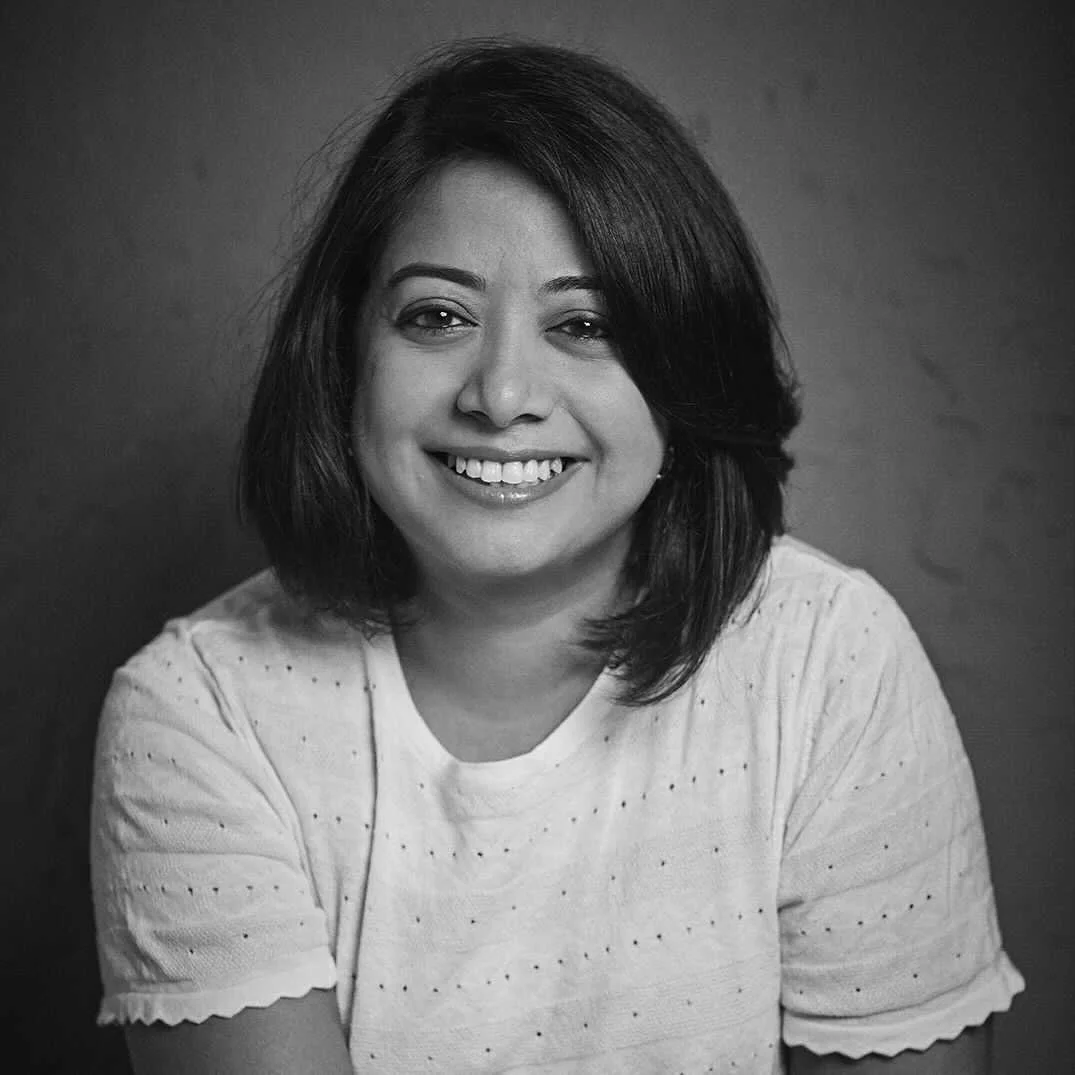
2. Faye D'Souza
Faye D'Souza is one of the most recognised independent voices in Indian news, known for her calm, non-partisan style built as Executive Editor at Mirror Now before she left to found her own platform, Beatroot News. Her content leans into business, politics, and social issues with a measured, fact-first tone, making her a strong fit for brands in finance, governance, or social-impact spaces that want credibility over noise.
3. Shubhankar Mishra
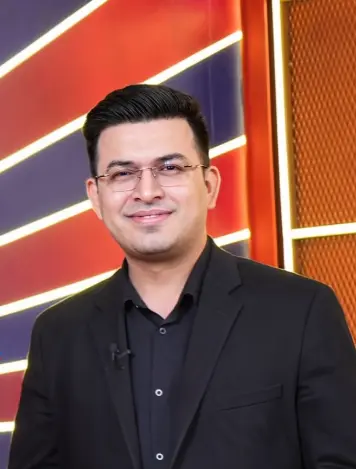
Shubhankar Mishra has the largest social following among Indian journalists by a wide margin, built from a career that includes TV9, Zee News, and Aaj Tak before he scaled his personal platforms into something bigger than any one channel. His content now spans current affairs, Health influencers India-style wellness content, and relationships, which is part of why he's one of the few journalist-influencers who can realistically run mass-reach brand campaigns, not just niche or credibility-led ones.
4. Anjana Om Kashyap
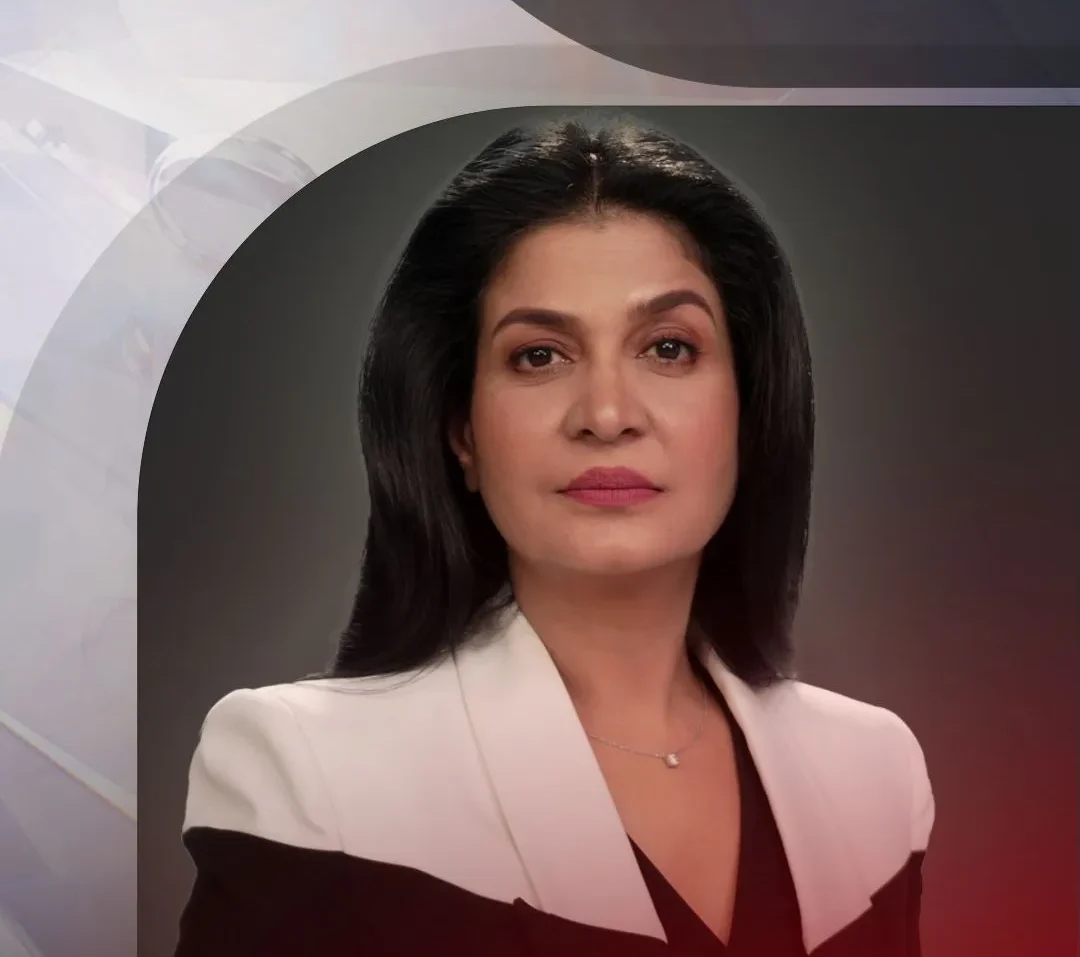
Anjana Om Kashyap is the Managing Editor at Aaj Tak and one of Hindi news television's most recognisable faces, known for assertive, no-nonsense political interviews that carry straight into shorter, shareable Instagram clips. For brands targeting a broad, Hindi-speaking, pan-India audience with a serious, news-first association, she's one of the strongest journalist-influencer picks available.
5. Palki Sharma Upadhyay
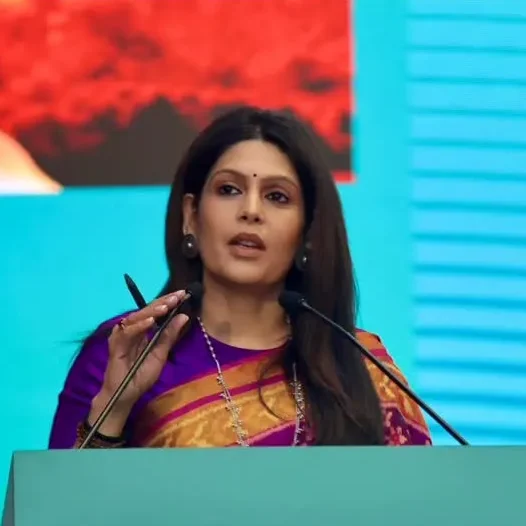
Palki Sharma Upadhyay is the Managing Editor at Network18 and the face of Vantage, Firstpost's flagship global-affairs show that's built a fast-growing following, especially among younger viewers. Her sharp, opinionated take on geopolitics and world events suits brands in finance, policy, or premium consumer categories looking for an authoritative, high-trust association.
What Brands Should Check Before Working With Famous Journalists in India
Famous journalists in India aren't like typical creators, and the usual influencer-vetting checklist doesn't fully apply. A few things matter more here:
- Credibility fit over follower count. A journalist's value comes from trust, not entertainment reach, which is different from how most social media influencers in India build their following. Match the journalist's beat and tone to what the brand is actually trying to say.
- Political and editorial sensitivity. Most of these creators have a public stance on current affairs. Brands should know what they're associating with before signing on, especially for politically adjacent categories.
- Disclosure norms. News-adjacent content has a higher bar for transparency. Sponsored content needs to be clearly marked as a collaboration, not blended into editorial-style posts.
- Reach vs. trust trade-off. A creator like Shubhankar Mishra offers scale, while someone like Ravish Kumar offers a smaller but more loyal, high-trust audience. The right pick depends on the campaign goal, not just the follower count.
Getting this right takes more than a follower count comparison, which is where working with an agency that vets creators for brand safety and audience fit becomes useful instead of reaching out cold. For campaigns that need a more regional angle alongside national credibility, it's worth also looking at South indian influencers or city-specific creators such as Bangalore instagram influencers.
Find and Collaborate With Top Journalist-Influencers Through NeedInfluencer
Picking the right journalist-influencer isn't as simple as picking the biggest name. Editorial tone, audience trust, and brand safety all need to line up before a collaboration makes sense, and getting that wrong with a credibility-led creator can cost more than it gains. NeedInfluencer's influencer marketing team sources and vets journalist-influencers and other creators for Indian brands, handling outreach, briefing, negotiation, and reporting so you're not managing it all yourself. If you're exploring a campaign with a news-adjacent voice, our team can help you find the right fit for your audience and budget.
Conclusion
The famous journalists in India building this kind of following occupy a distinct corner of the country's creator economy, one built on credibility and access rather than entertainment alone. As more of India's news consumption shifts from television to Instagram and YouTube, these personal platforms are becoming just as influential as the channels these journalists represent, sometimes more so. For brands, this means a newer, trust-driven way to reach audiences who are paying close attention to what's actually being said.
Frequently Asked Questions about Journalist Influencers in India
1. Who are the most followed journalists in India on Instagram?
Shubhankar Mishra leads by a wide margin with over 16 million followers, followed by Faye D'Souza, Anjana Om Kashyap, and Palki Sharma Upadhyay, each with over 2 million. Ravish Kumar has built his biggest following on YouTube rather than Instagram.
2. Are journalists considered social media influencers?
Yes, when they build a personal following independent of their employer and regularly post content, opinions, or interviews that audiences engage with directly. Many Indian journalists now function as creators in their own right, alongside their regular reporting roles.
3. Should brands collaborate with journalist-influencers?
It depends on the campaign goal. Journalist-influencers work well for brands in finance, policy, governance, or premium categories that want a credible, trustworthy association, rather than brands looking for pure entertainment-led reach.
4. How is a journalist-influencer different from a news channel's official account?
A journalist's personal account reflects their individual voice, opinions, and editorial choices, while a channel's account represents the organisation as a whole. Audiences often follow the person specifically because of that individual perspective.
5. What should brands look out for before signing a journalist-influencer?
Check their editorial tone, political positioning, and audience sentiment carefully, since these creators carry more public opinion baggage than typical lifestyle or entertainment influencers. Clear disclosure of sponsored content is also essential given the news-adjacent format.
6. How should brands manage campaigns with journalist-influencers?
Start with a clear objective and pick a journalist whose beat and tone genuinely match the message. Give them room to present it in their own voice rather than a scripted ad read, since their audience trusts them specifically for that authenticity.